
Too much echo or reverb
Use absorption and strategic placement to reduce reflections and shorten decay time.
Explore absorptive baffles →AudioBaffle.com helps homeowners, creators, offices, schools, restaurants, and studio builders understand baffles, panels, bass traps, barriers, curtains, and acoustic glass. Start with the problem you can actually hear, then choose the treatment that matches it.
Enter room dimensions and the problems you hear. Get a calculated treatment direction, rough RT60 target, absorber-area estimate, first axial room modes, and a blueprint-style placement concept.
Many disappointing soundproofing projects start by buying the wrong category of product. A soft absorber may reduce reverberation beautifully but do little to stop a neighbor hearing the room. A heavy barrier may reduce transmission but leave the room sounding harsh. Define the problem before choosing material.
Use absorption and strategic placement to reduce reflections and shorten decay time.
Explore absorptive baffles →Use bass trapping and better speaker/listener placement before reaching for thin foam.
Understand bass traps →Think mass, airtightness, decoupling, flanking paths, and construction—not just absorbers.
Learn sound isolation basics →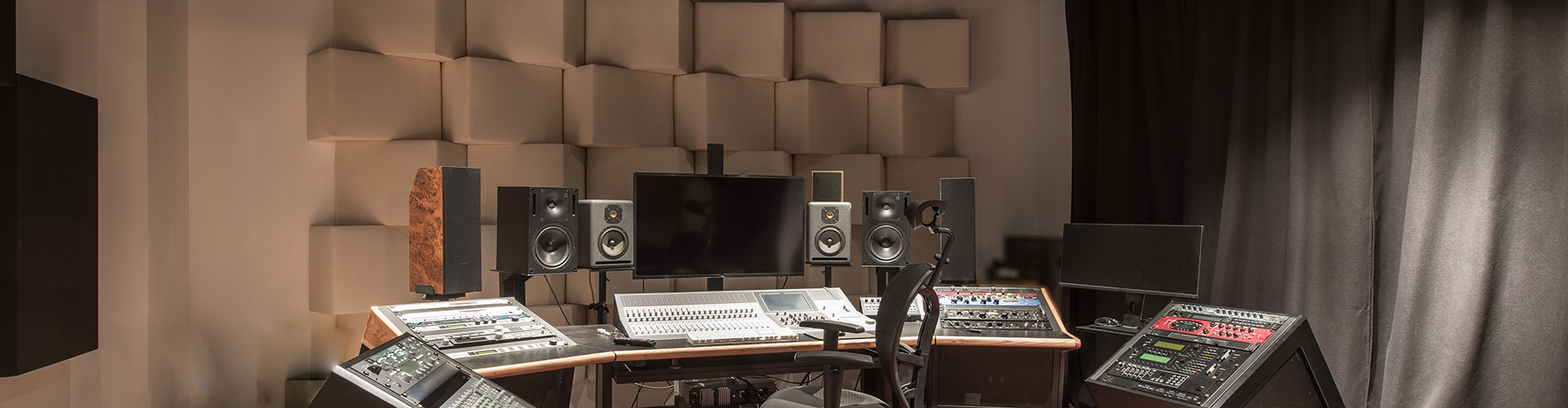
Reduce reflected energy, echo, and reverberation in larger or hard-surfaced rooms.
Read guide →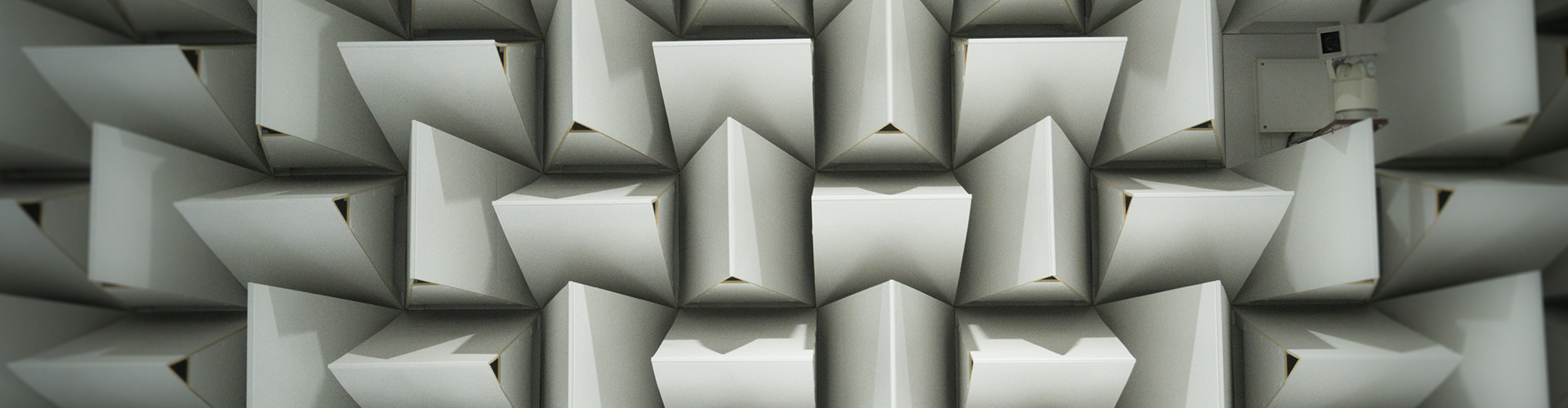
Scatters reflections so a room can stay lively without strong, distracting echoes.
Read guide →
Targets low-frequency decay and modal problems that ordinary thin panels often miss.
Read guide →Clap for flutter echo, note where speech becomes tiring, and identify whether complaints are inside the room or on the other side of a boundary.
Room dimensions, surface materials, speaker/listener positions, and basic decay measurements are more useful than guessing from product photos.
Start with the biggest acoustic problem, make one meaningful change, then listen or measure again before adding more material.
Our room guide separates absorption, diffusion, bass control, and isolation, with a decision tree for common rooms.
Open the room acoustics guide
Placement, thickness, air gaps, and why treatment should match the room rather than a generic kit.
Read article →
Where inexpensive absorption helps, where it does not, and what to prioritize first.
Read article →
How mounting orientation, surface area, ceiling height, and room use change the choice.
Compare them →Acoustic treatment manages reflections and decay within a room. Soundproofing, more accurately called sound isolation, reduces sound transmission between spaces. An absorber can improve clarity without substantially increasing wall isolation.
They are especially useful in rooms with hard surfaces, high ceilings or limited wall area: offices, classrooms, gyms, studios, restaurants, worship spaces and industrial areas.
Check frequency-specific absorption data, thickness, dimensions, mounting, fire classification, weight, cleanability and documentation. A single NRC number is helpful but incomplete.
No. Too much high-frequency absorption can make a room dull while bass remains uneven. Treatment should match the room's use and measured or clearly observed problems.